Can Children Become Dependent on ChatGPT? The Truth Parents Need

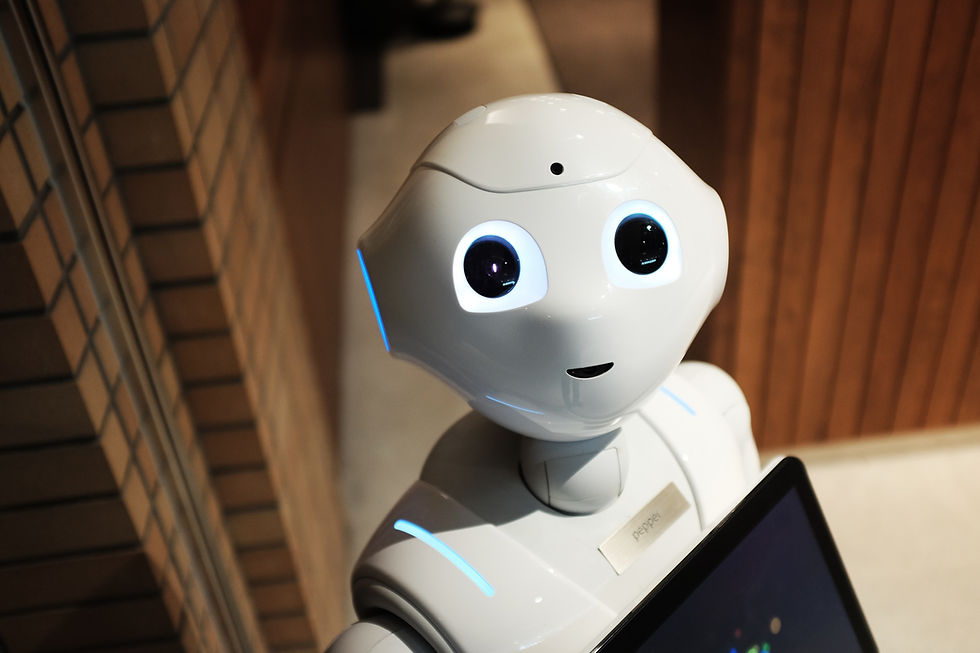
Can Children Become Dependent on ChatGPT? The Truth Parents Need
Yes, children can become overly reliant on ChatGPT if usage is not balanced. While AI tools like ChatGPT can support learning, overuse may weaken critical thinking, reduce problem-solving confidence, and create unhealthy habits of instant-answer dependency.
Artificial intelligence is changing how children learn, research, and complete schoolwork. For many parents, the question is no longer “Should my child use AI?” but “How much AI is too much?”
The truth is simple: ChatGPT itself is not harmful, but dependency can become a problem when it replaces thinking instead of supporting it.
In this guide, we break down the warning signs, risks, and practical steps parents can take.
What Does AI Dependence Look Like?
AI dependence does not mean a child uses ChatGPT often. It means they begin to rely on it as their first response instead of their support system.
Healthy use looks like this:
Asking for explanations
Learning difficult topics
Checking homework
Unhealthy dependence looks like this:
Using AI to avoid effort
Asking AI before thinking
Trusting AI without questioning
The key difference is whether AI is helping thinking or replacing it.

Signs of AI Dependence
Parents should watch for patterns that suggest over-reliance.
1. Always Asking AI Instead of Thinking
If your child automatically opens ChatGPT for every question, even simple ones, it may signal reduced confidence in their own thinking.
Children build mental strength by struggling with problems. Removing that struggle removes growth.
Warning signs:
No attempt before asking AI
Constant shortcuts for easy tasks
Avoiding trial and error
2. Avoiding Independent Work
When children become used to instant answers, independent work can feel harder.
This can show up as:
Resistance to homework
Frustration when AI is unavailable
Difficulty starting tasks alone
Over time, this can weaken self-discipline.
3. Copying Answers Without Understanding
One of the biggest red flags is copying AI-generated work directly.
This creates a false sense of learning.
Questions to ask:
Can they explain the answer in their own words?
Do they understand the process?
Could they solve it without AI?
If not, learning is not happening.
Long-Term Risks of Over-Reliance
Using ChatGPT daily is not automatically harmful. But over-dependence can affect development.
Reduced Creativity
Creativity grows through original thinking.
If children constantly use AI for:
story ideas
essays
projects
they may practise less imagination.
Instead of creating, they may begin curating.
Lower Confidence in Their Own Abilities
Children need to trust their own minds.
If AI becomes the “smart one,” children may start doubting themselves.
This can lead to:
fear of making mistakes
low academic confidence
less resilience
Confidence is built through solving problems independently.
Academic Issues
Schools are increasingly monitoring AI-assisted work.
Risks include:
plagiarism concerns
poor exam performance
weak foundational knowledge
If a child uses AI for homework but cannot perform in class, the gap becomes obvious.
How to Prevent Over-Reliance
Parents do not need to ban ChatGPT. The goal is guided use.
Encourage Independent Thinking First
Use the “Think First Rule.”
Before opening ChatGPT:
Try solving it alone
Write down ideas
Then use AI for support
This protects thinking habits.
Good prompt:"Check my answer and explain where I went wrong."
Better than:"Give me the answer."
Limit Usage Time
Set clear boundaries.
Examples:
20 minutes for homework help
No AI during revision practice
No AI for every assignment
Boundaries build discipline.

Use AI as a Support Tool Only
Teach children that ChatGPT is a tool, not a replacement for learning.
Best uses:
Explaining concepts
Brainstorming ideas
Practising questions
Poor uses:
Writing full assignments
Solving everything
Replacing reading
A useful rule:Learn first, AI second.
Is ChatGPT Bad for Children?
No. ChatGPT is simply a tool.
Like calculators, search engines, or spellcheck, its impact depends on how it is used.
When used correctly, it can:
improve understanding
save time
build curiosity
When overused, it can weaken important thinking habits.
Balance matters.
Final Thoughts for Parents
Children can become dependent on ChatGPT, but dependency is preventable.
The goal is not to remove AI from their lives. It is to teach healthy digital habits.
Ask yourself:
Is my child using AI to learn?
Or using AI to avoid learning?
That question changes everything.
Used wisely, ChatGPT can be one of the most powerful learning tools available. Used carelessly, it can become a shortcut that costs long-term growth.
For parents, the focus should always be the same:
Teach the child to think — then teach them how to use AI well.


